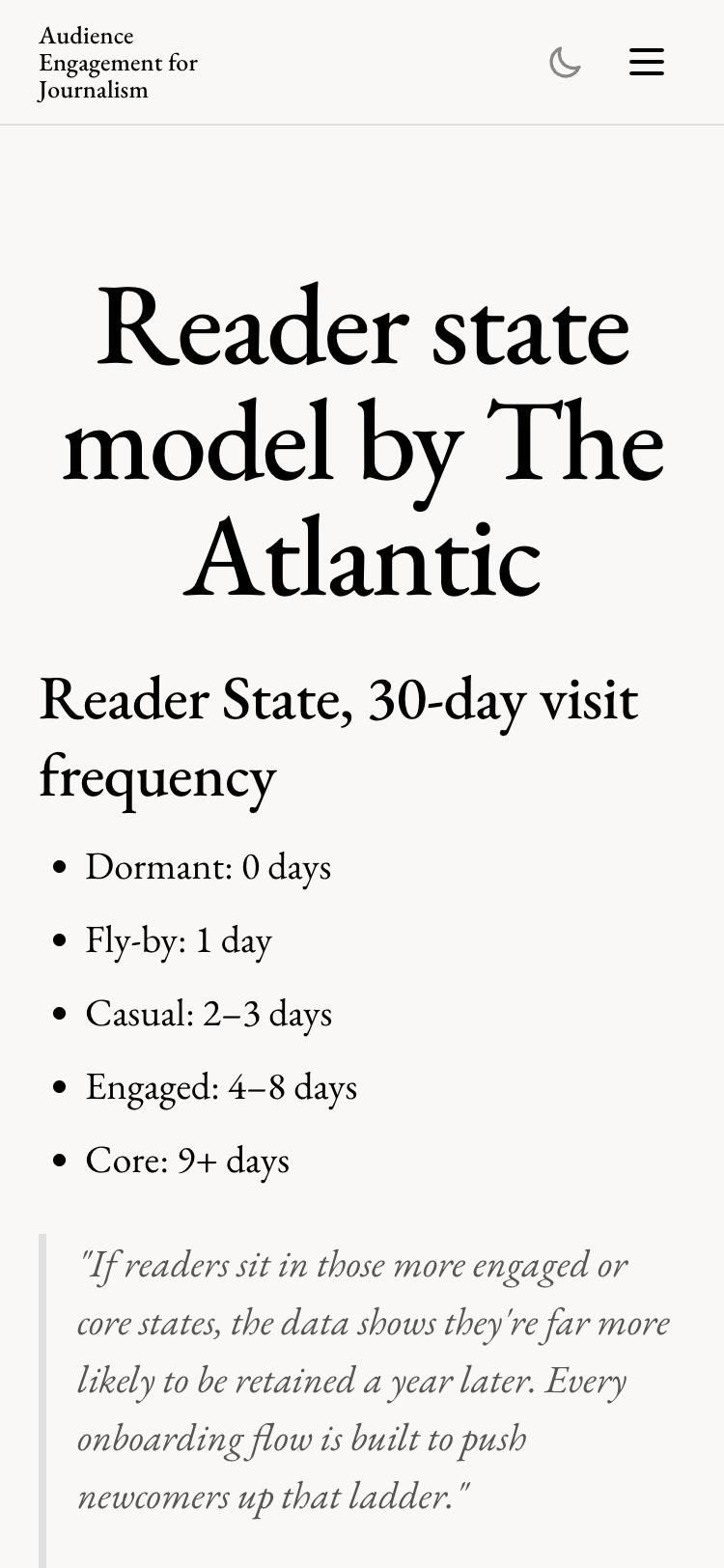
3 · Who am I and why do we talk about audience engagement?

Share who came across news online through direct access

  • FinlandFIN
  • United StatesUSA
  • United KingdomUK
020406080%2014201620182020202220242026FIN65%USA26%UK47%

Survey question: “Thinking about how you got news online (via computer, mobile or any device) in the last week, which were the ways in which you came across news stories? Please select all that apply.”

Source: Reuters Institute Digital News Report 2014–2026.

Show the data as a table
YearFinlandUnited StatesUnited Kingdom
Direct accessDirect accessDirect access
2014573345
2015633652
2016623547
2017673954
2018703853
2019653554
2020683450
2021712851
2022713146
2023692947
2024702946
2025722947
2026652647
4 · Who am I and why do we talk about audience engagement?

Share aged 18–24 who came across news online through direct access

  • FinlandFIN
  • United StatesUSA
  • United KingdomUK
020406080%2014201620182020202220242026FIN42%USA19%UK35%

Survey question: “Thinking about how you got news online (via computer, mobile or any device) in the last week, which were the ways in which you came across news stories? Please select all that apply.”

Age groups are smaller samples, so changes from one year to the next are less reliable. Source: Reuters Institute Digital News Report 2014–2026.

Show the data as a table
Ages 18–24
YearFinlandUnited StatesUnited Kingdom
Direct accessDirect accessDirect access
2014622450
2015532953
2016492848
2017622549
2018552652
2019472340
2020501935
2021531441
2022512028
2023441324
2024502125
2025552732
2026421935
10 · The elements

Three questions under every element

  • Every element
    • Why are we doing it?
    • What are we doing?
    • How is it organized?
  • Audience
    • Who do we serve, and why?
    • What do they need, and can we serve them?
    • How do we learn who they are and what they need, instead of guessing?
  • Engagement
    • Why is there engagement between us and the audience?
    • What is it in us, and in what we make, that the audience wants to engage with?
    • How is that engagement built and sustained?
  • Measuring success
    • Why are we counting, and what decision depends on the answer?
    • What counts as success?
    • How are the goals set, and who keeps the definitions honest?
  • Audience development
    • Why are we doing audience development?
    • What does the craft cover, and where does it stop?
    • How is the work organized, and who does it?
The elements10
11 · The arc

Part 3

The arc

Five eras, the same questions

  • Pre-digital era
    • Through 1994
    • Print and broadcast
  • Early web era
    • 1995–2005
    • Portals and homepages
  • Platform era
    • 2006–2018
    • Search and social feeds
  • Post-platform era
    • 2018–2023
    • Direct relationships
  • AI-discovery era
    • 2024–now
    • Answers instead of links
12 · The arc

Five eras

What the arc shows

  • Audience
    • The unit of audience keeps shrinking
    • Circulation area → household → person with a phone → audience of one
  • Engagement
    • Every turn begins outside the newsroom
    • Search → social feeds → AI answers
  • Measuring success
    • Metrics move from the article to the user
    • Copies → pageviews → known users
  • Audience development
    • The work keeps moving closer to the journalism
    • Separate building → teams → everyone's job
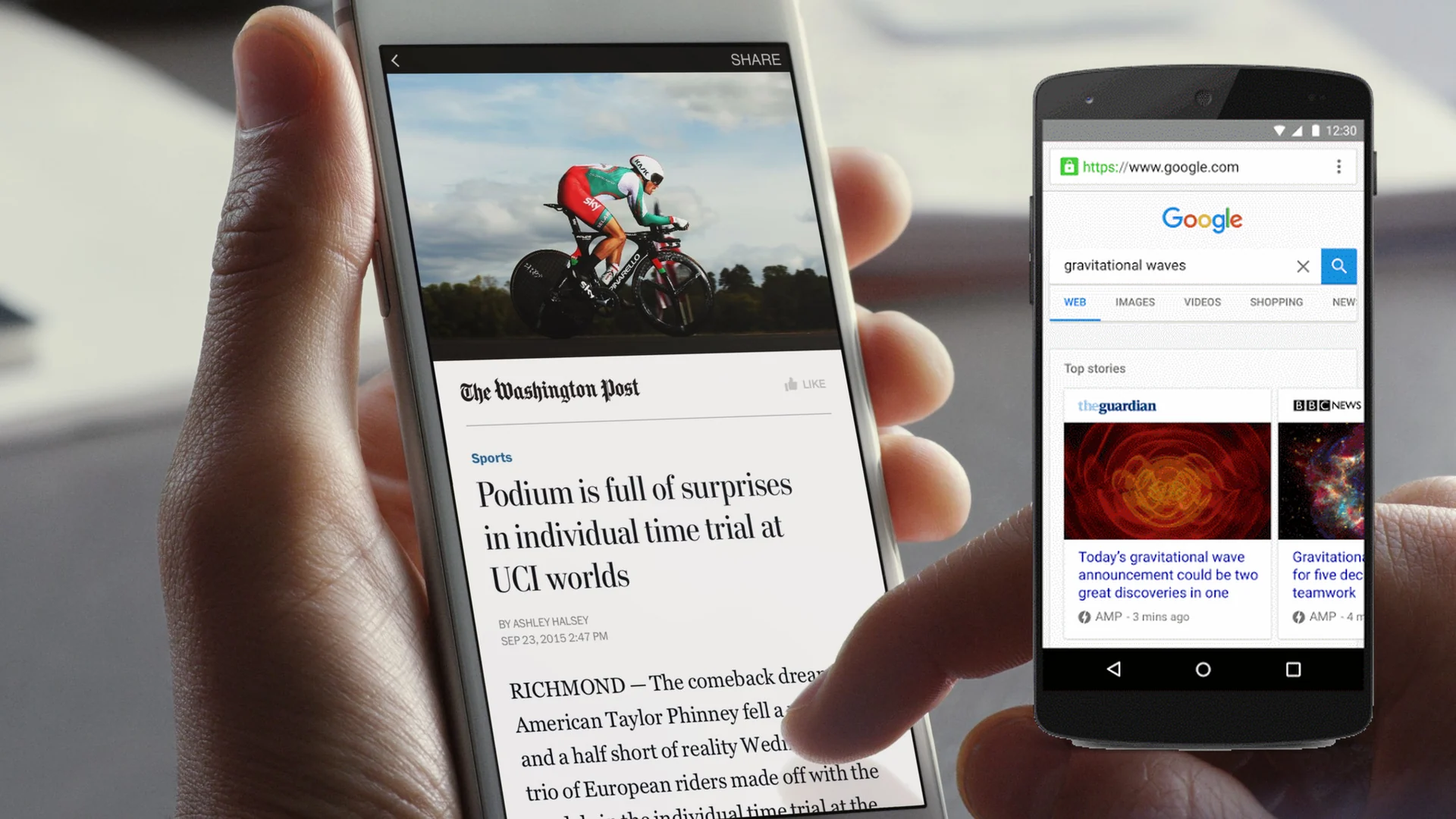
A hand holding an iPhone open on a Washington Post story inside Facebook's app, an Instant Article

Publishers thinking they can build a whole business on Facebook is not the right approach, and publishers that turn up their nose at the idea, that's not the right approach.

Cory Haik, Mic

Image: Facebook

15 · Future of engagement

Engagement

Are these the questions for the AI era?

  • Why is there engagement between us and the audience?

    • Why do we still hold on to engagement between us and the audience, when platforms disconnect the content from who made it and the organic top of the funnel dries up?
  • What is it in us, and in what we make, that the audience wants to engage with?

    • When the article as we know it is challenged, what is left for people to attach to? A brand, a reporter, a habit, a format?
  • How is that engagement built and sustained?

    • How do we build the relationship? Inside a product we own or by making our journalism legible inside interfaces we never will?
17 · Future of audience

Audience

Are these the questions for the AI era?

  • Who do we serve, and why?

    • Who do we serve, and why, when AI can build a news service around a single person?
  • What do they need, and can we serve them?

    • What does the audience need that AI cannot give them, and can we serve that?
  • How do we learn who they are and what they need, instead of guessing?

    • How could we learn more from real people, when a synthetic panel answers in seconds?
19 · Future of measuring success
Advertisement

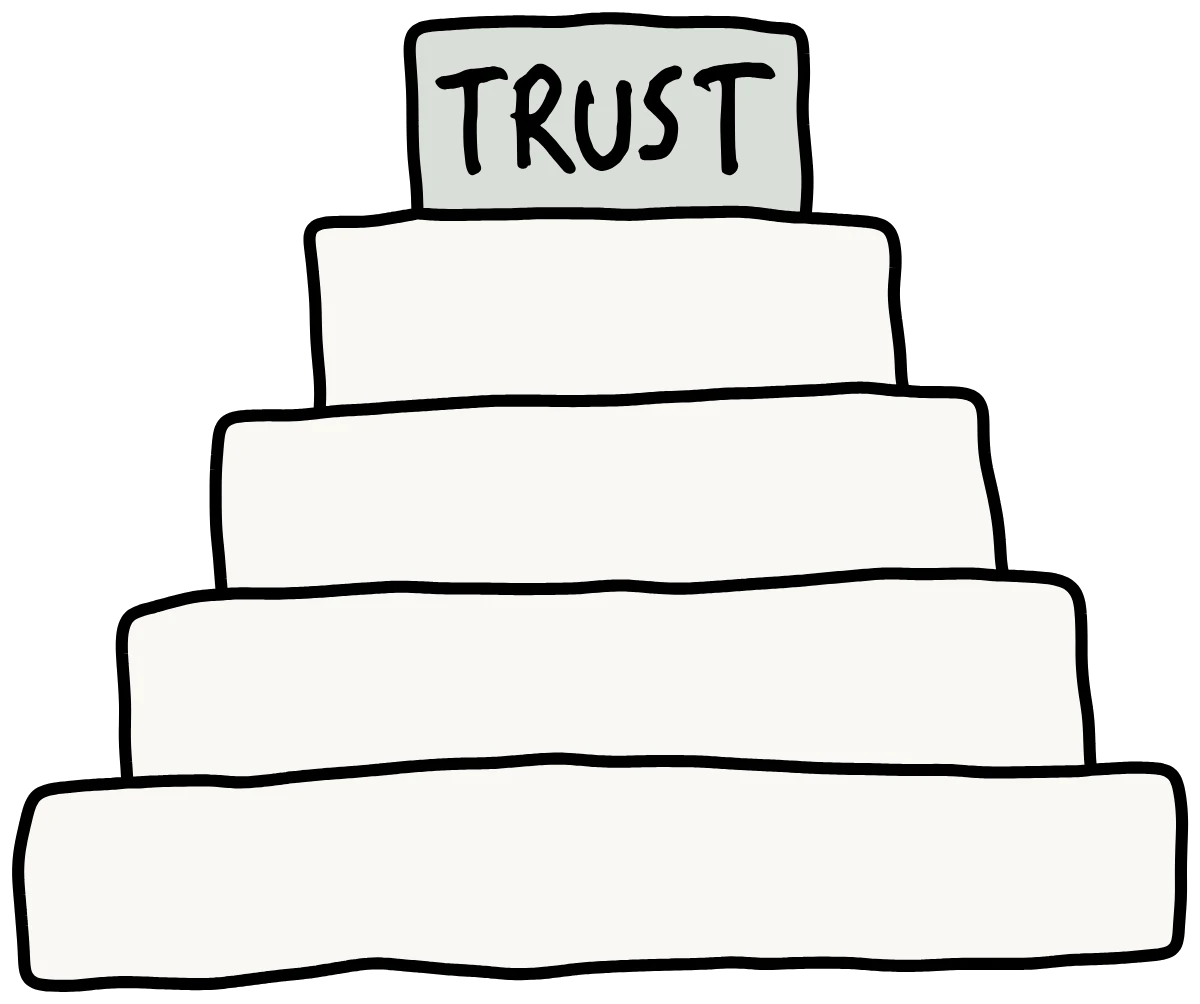
Reach is only context. Trust comes from quality and continuous user value.

A pyramid of five layers, listed here from the top. The measurement runs from the base up, from originality and journalistic quality to brand trust, and the trust at the top is earned over time.

  1. Brand trust

    Benchmarks, brand tracking, panels

  2. Relationship and commitment

    Registered users, subscribers, active 1+ and 3+ days a week, retention

  3. Engaged visits

    Article clicks, media starts, page views per visit, time spent per visit

  4. Content value and satisfaction

    Quality reads, recirculation and further interactions, time spent, qualitative feedback, same-day cancellations

  5. Originality and journalistic quality

    Exclusive, own reporting, transparent, nuanced, error reports, customer support feedback, letters to the editor

Product and experience trust

Trust is also shaped by the experience of using the product: ease of use, transparency, quality of service, a fair paywall and little friction.

Types of evidence

  • Perception: studies and panels
  • Behaviour: habit and commitment
  • Experience: satisfaction and UX
  • Quality: scorecards and transparency

Source: Trust pyramid by Janis Kitzhofer

20 · Future of measuring success

Measuring success

Are these the questions for the AI era?

  • Why are we counting, and what decision depends on the answer?

    • Why are we following dashboards, now that a model can do the deciding?
  • What counts as success?

    • What should the behaviour of the user decide? Paywall, price, format, or content?
  • How are the goals set, and who keeps the definitions honest?

    • How do we check that the goals and the guardrails are still right, when AI acts on them without anyone reviewing each decision?
22 · Future of audience development

Audience development

Are these the questions for the AI era?

  • Why are we doing audience development?

    • Why are we doing audience development, when agents can read the data and draft the distribution?
  • What does the craft cover, and where does it stop?

    • What does the craft cover, when discovery, product and data run through the same agents?
  • How is the work organized, and who does it?

    • How is the verification done, and whose job is it, when AI is the interface?
23 · Using it strategically

Twelve questions for the AI era

  • Every element
    • Why
    • What
    • How
  • Audience
    • Who do we serve, and why, when AI can build a news service around a single person?
    • What does the audience need that AI cannot give them, and can we serve that?
    • How could we learn more from real people, when a synthetic panel answers in seconds?
  • Engagement
    • Why do we still hold on to engagement, when platforms disconnect the content from who made it and the organic top of the funnel dries up?
    • When the article as we know it is challenged, what is left for people to attach to?
    • How do we build the relationship? Inside a product we own or by making our journalism legible inside interfaces we never will?
  • Measuring success
    • Why are we following dashboards, now that a model can do the deciding?
    • What should the behaviour of the user decide?
    • How do we check that the goals and the guardrails are still right, when AI acts on them without anyone reviewing each decision?
  • Audience development
    • Why are we doing audience development, when agents can read the data and draft the distribution?
    • What does the craft cover, when discovery, product and data run through the same agents?
    • How is the verification done, and whose job is it, when AI is the interface?
25 · Using it strategically

Steps 1 and 2

Close to twenty questions, sorted

  • Fairly certain
    • AI answers more questions and sends fewer visits
    • A news service built around one person gets cheap
    • Agents take over routine work on audience data
  • Truly uncertain
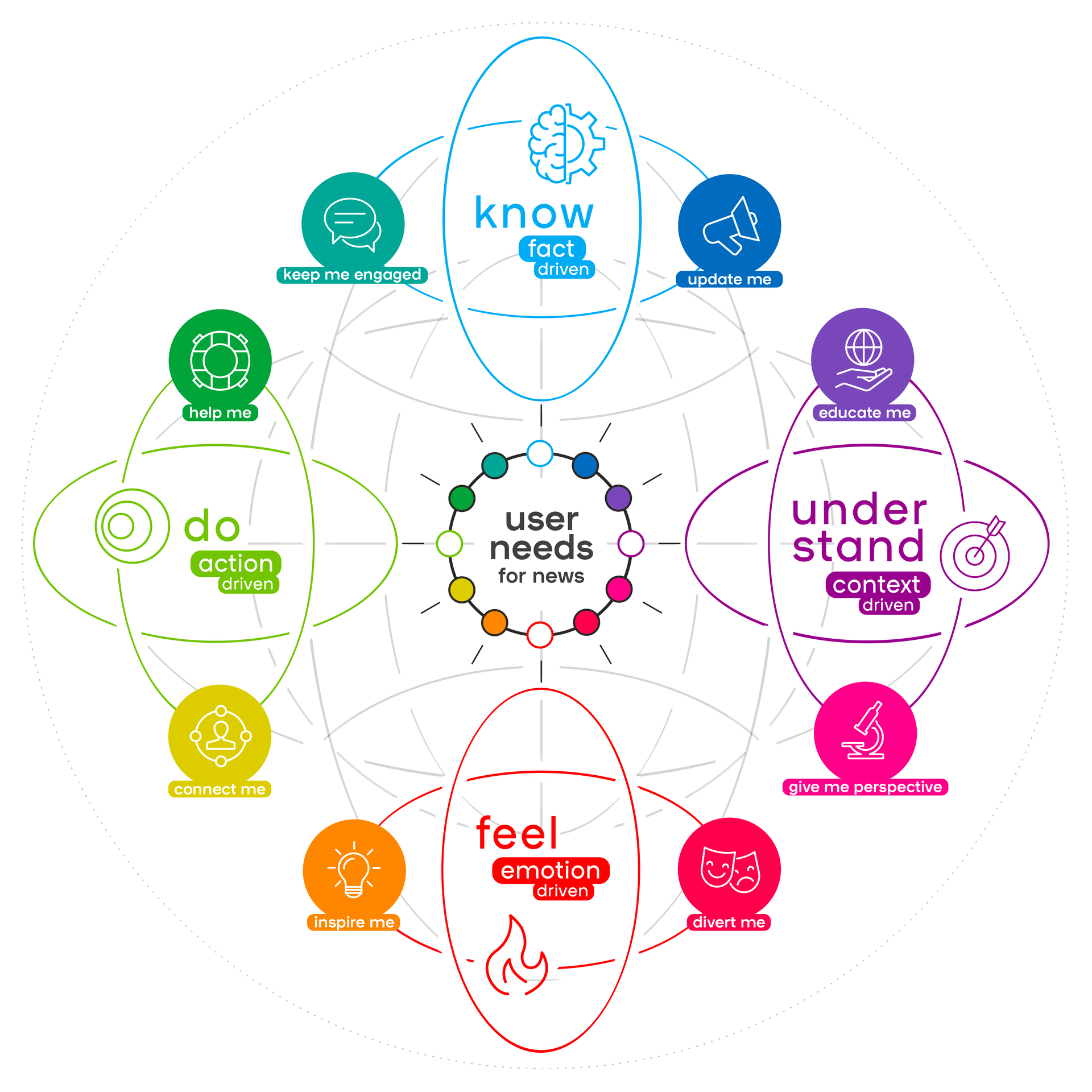
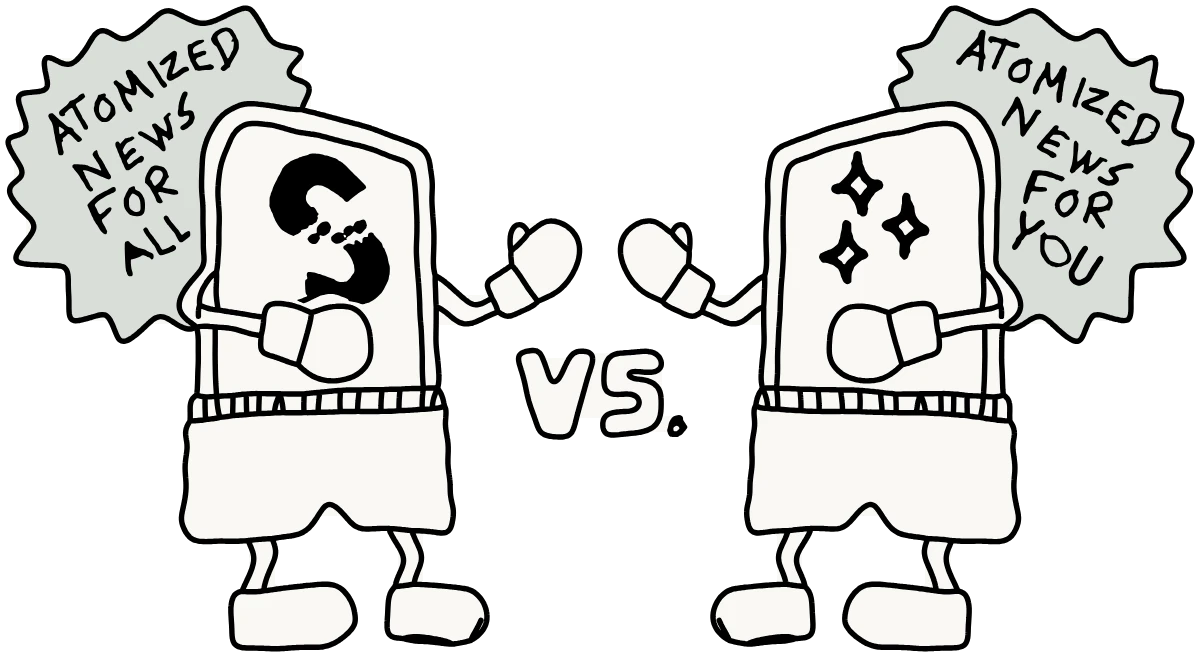
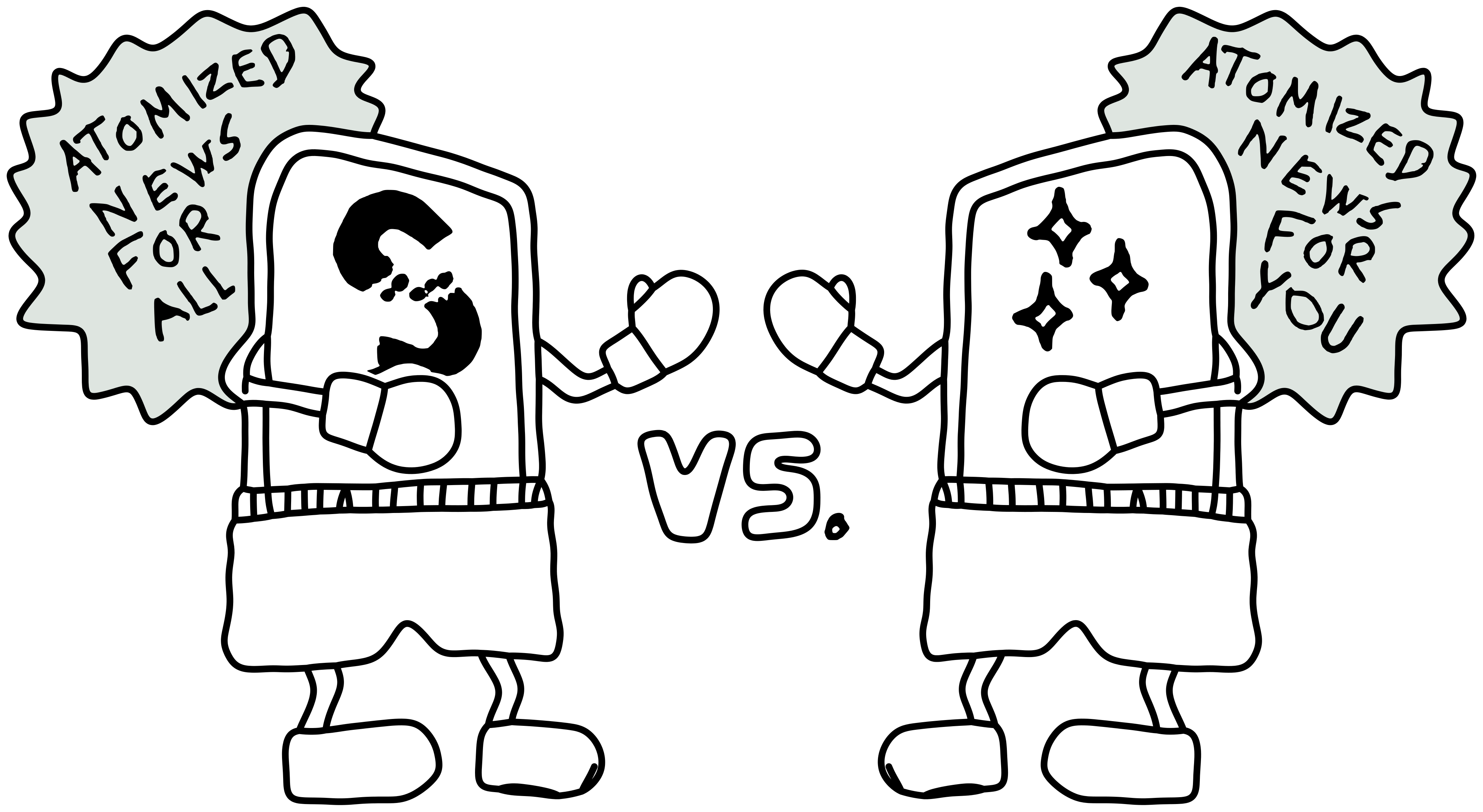
    • Shared news, or news tailored to me?
    • A relationship with a news brand, or an answer that is enough?
    • The article, or liquid journalism?
    • How much of what readers need can AI give?
  • Choices
    • Our own product, or legible in interfaces we will never own?
    • Should the depth of the relationship set the price?
    • Who owns verification and trust?
26 · Using it strategically
  • The shared voice

    In 2029 most people still start the day with a news brand they know. AI search answers their quick questions, but for what matters today they open a front page or an app that editors have put together, and they read or listen to the same stories as their neighbours. AI has become a natural part of the newsroom workflow for creating versions, so they can choose a listen on the bike or a read on the bus from the same article, with exactly the same script. The picture of the day remains shared. Trust stays with the brands that show their work. The money still comes mostly from readers, who pay because they want to be part of the same conversation, and from advertisers who want to reach them there.

  • The personal voice

    In 2029 people still choose a news brand, but each of them gets a different version of it. The brand's own AI knows what they read and how much time they have, and builds their news around that, a morning briefing on the way to work or a few longer stories in the evening. The journalism still comes from the newsroom, and the brand's voice holds it together, so readers trust the masthead more than any single story. That trust is also the risk. When the AI gets a quote or a fact wrong, the brand carries the mistake. The money comes from readers who pay for a service that knows them, and the price may follow how deep the relationship goes.

  • The common answer

    In 2029 most people get their news by asking an AI, or from one of the few popular aggregators that sum up the big stories, such as Particle. Both give everyone roughly the same answer, so a shared picture of the day survives, but the platform is the one putting it together. Few people ask who reported it, and even fewer click through to find out. News brands still do the reporting, yet to most readers they are a name in a list of sources, if they are named at all. Trust goes to the answer. The money goes to the platform, and newsrooms earn what they can from licensing deals with the few AI companies that pay for journalism.

  • The private feed

    In 2029 each person's AI assistant knows them well enough to put together their news without being asked. Overnight it reads dozens of outlets, and in the morning it delivers a briefing in the length and language its owner prefers, next to their calendar and their messages. No two people get the same picture of the day, and few could say where a story came from. Trust belongs to the assistant. The money goes to the companies that make the assistants, and newsrooms are paid per use, if at all, by the ones that choose to license journalism. A newsroom's job becomes supplying material that a machine can read and cite.

The relationship with news brands holdsAn answer from AI is enoughA shared picture of newsNews tailored for me

Antti Karvanen, WAN-IFRA Data Science Day 2026, London, 21 Oct 2026.